

Description
Elephant Golf Club Logo head-covers are the ultimate blend of artistry, performance, and golf club identity. Featuring a bold elephant motif paired with a sleek golf club design, this head-cover makes a statement on and off the green.
Crafted from high-quality, weather-resistant materials, it protects your clubs while showcasing your passion for the sport. Whether you’re a club member, a tournament player, or a golf enthusiast, this head-cover offers a distinctive look that reflects strength, loyalty, and style.
The elephant symbolizes wisdom and resilience, making it a perfect emblem for golfers seeking a head-cover that’s both visually striking and meaningful. Add a touch of exclusivity to your golf bag with this must-have accessory that combines functionality with a unique brand identity.

| Aspect | Details |
|---|---|
| Title | Elephant Golf Club Logo Teal Crest Identity for Modern Courses |
| Color Psychology | The dominant teal tone #59A598 blends the calm reliability of blue with the revitalizing energy of green, making the Elephant Golf Club Logo feel trustworthy, refreshing, and nature‑driven. This color palette subtly evokes manicured fairways, open skies, and a sense of balance, positioning the brand as relaxed yet high‑performance. The white negative space adds clarity, precision, and honesty ideal for a premium golf identity that values transparency and professionalism. |
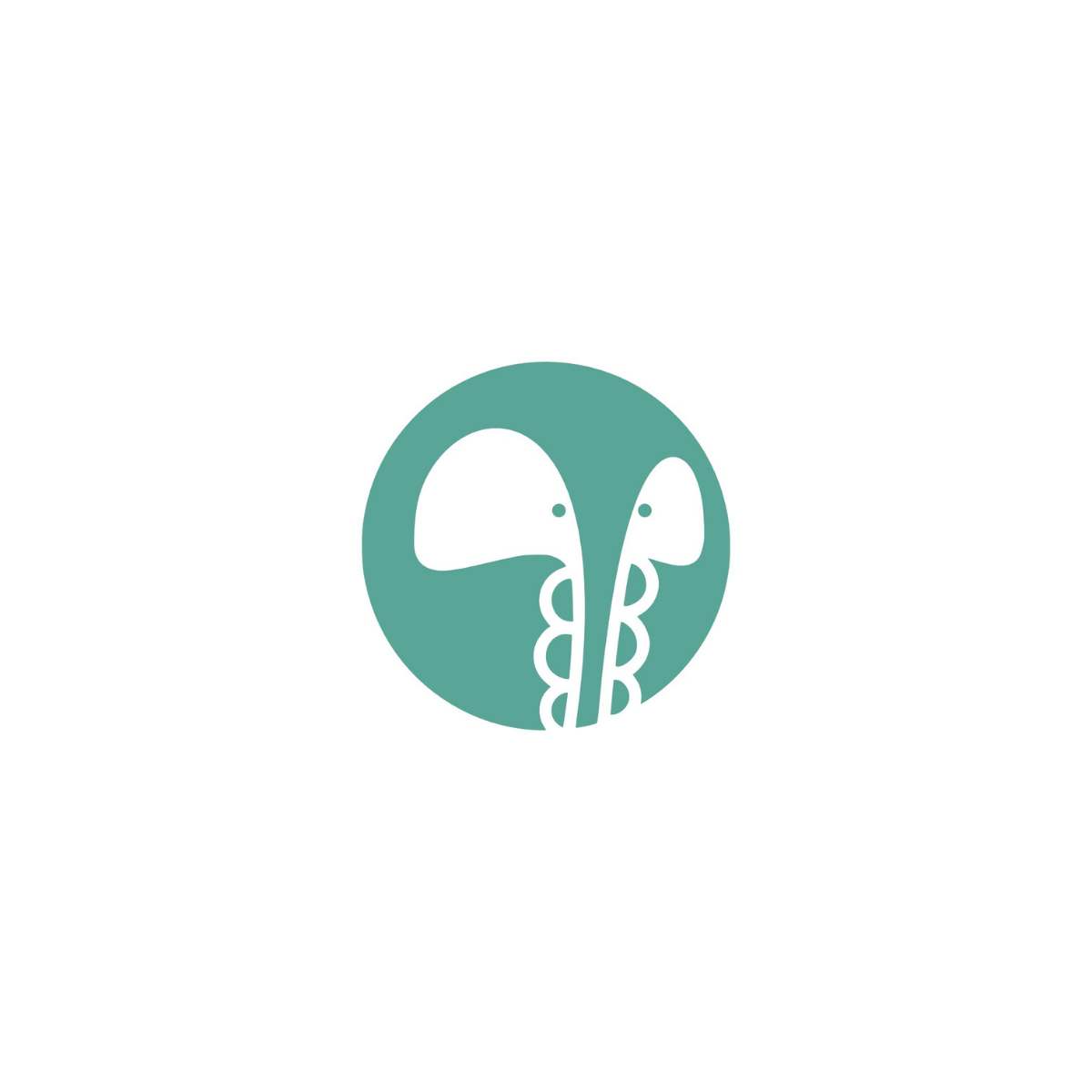
| Shapes Used | The logo uses a clean circular badge to frame the mark, symbolizing unity, continuity, and a complete golf experience. Within the circle, simplified elephant ears and trunk are rendered with smooth curves, while the negative space forms two stylized golf clubs, creating a clever dual‑meaning icon. This combination of round geometry and organic curves delivers a friendly, approachable emblem that scales perfectly as a golf club icon, app favicon, or embroidered crest. |
| Symbolism | The elephant represents strength, memory, and loyalty—traits golfers associate with consistency, focus, and long‑term membership. Hidden golf clubs in the trunk’s negative space instantly connect the symbol to the sport, reinforcing credibility for a professional golf club or academy. Together, the icon communicates a brand story of wisdom, calm strategy, and quiet power, appealing to golfers who appreciate subtle design and thoughtful branding. |
| Typography | While the core mark is icon‑driven, it pairs best with a geometric sans‑serif typeface for a clean, contemporary brand impression. A balanced, medium‑weight font with generous letter spacing keeps the wordmark legible on scorecards, signage, and digital platforms. This typography style projects a modern, premium golf identity confident, uncluttered, and easy to read at a glance on mobile devices and course way-finding. |
| Design Approach | The design follows a minimalist, negative‑space logo approach tailored for upscale golf branding. By merging an animal mascot with golf equipment inside a single, compact icon, it delivers a memorable visual hook without unnecessary detail. Flat color execution ensures flawless reproduction for print, web, and embroidery, while the conceptual twist appeals to design‑savvy clubs seeking a distinctive, agency‑level logo for rebrands and new course launches. |
| Best For | Ideally suited for golf clubs, golf resorts, training academies, indoor golf simulators, and golf apparel lines looking for a unique animal‑themed brand mark. Long‑tail use cases include “premium golf club logo for membership branding,” “modern elephant mascot golf academy logo,” and “minimalist golf resort emblem for signage and merchandise.” The mark also works for lifestyle golf brands, junior golf programs, and boutique pro shops that want a memorable, family‑friendly identity. |
| Target Audience | Designed for club owners, course managers, golf directors, sports marketing teams, and brand‑conscious entrepreneurs in the golf industry. It resonates with mid‑ to high‑income golfers who value design, belong to private or semi‑private clubs, and appreciate subtle symbolism in their golf club branding. Agencies and freelance designers can also license this mark as a ready‑made solution for clients wanting a distinctive Elephant Golf Club Logo. |
| Applications | Optimized for both digital and physical branding, this logo works seamlessly on golf scorecards, websites, booking apps, social media avatars, and email signatures. In print and merchandise, it excels on embroidered caps, polo shirts, golf bags, headcovers, ball markers, signage, flags, and membership cards thanks to its bold, one‑color execution. The circular structure makes it ideal for stickers, patches, packaging seals, and even tee box markers or clubhouse wayfinding systems. |
| Why This Design? | This Elephant Golf Club Logo stands out by combining emotional storytelling with smart visual engineering. The negative‑space golf clubs create an instant “aha” moment that makes the brand memorable, while the teal color palette and rounded shapes signal calm professionalism and contemporary style. It offers superior versatility, strong recognition at small sizes, and a premium, own-able brand asset that differentiates your golf business in a crowded marketplace all while staying easy to reproduce across every touchpoint. |
-
SEO-Optimized Color Psychological Traits Table
| Color Name | Psychological Traits | Emotional Meaning | Branding Impact | Best For |
|---|---|---|---|---|
| Teal Fairway Green #59A598 | Balanced, calming, clear‑minded, refreshing, reliable | Evokes serenity, quiet confidence, and optimistic focus, similar to standing on a well‑kept fairway under open skies | Positions a brand as trustworthy, contemporary, and health‑oriented; ideal for brands that want to blend professionalism with approachability in their visual identity | Wellness brands, modern golf and sports clubs, eco‑friendly products, digital platforms, spa and retreat branding, conscious fashion labels, minimalist packaging, and tech brands seeking a calming interface color |
-
Color Description
Teal Fairway Green #59A598 sits at the intersection of blue’s stability and green’s vitality, creating a hue that feels both composed and alive.
In color psychology meaning, this shade signals emotional balance, clarity of thought, and a gentle sense of movement, making it a powerful choice for brands that want to appear grounded yet forward‑thinking.
On a color emotion chart, it leans toward calm reassurance rather than high‑energy excitement, which is ideal when trust and long‑term relationships matter more than quick impulses.
From a branding perspective, this color symbolism translates into strong brand perception benefits.
Teal Fairway Green communicates freshness, renewal, and smart decision‑making, which is why it fits naturally into luxury color palettes for wellness, sustainable products, and premium sports or lifestyle brands.
In marketing color theory, hues in this range are known to reduce visual fatigue and support focus, giving digital interfaces and app dashboards a clean, breathable feel that encourages longer engagement and more positive consumer behavior.
In design, #59A598 behaves exceptionally well as both a primary brand color and a refined accent. It is saturated enough to stand out in logos and icons, yet soft enough to work comfortably behind typography, data visualizations, and UI components.
When used in packaging, this color instantly signals freshness and quality, especially for organic, eco‑friendly, or performance‑driven products. Its balanced temperature makes it easy to pair with neutrals like soft gray, off‑white, or deep charcoal, resulting in a cohesive visual identity that feels modern and carefully curated.
For logos, Teal Fairway Green delivers an effective blend of memorability and subtlety. It draws attention without shouting, which is particularly valuable for brands positioned as premium, thoughtful, and service‑oriented.
In product packaging and digital experiences, it can increase perceived reliability and reduce friction in the user journey, aligning strongly with brand color theory where trust, calmness, and clarity are core messages.
-
Color Characteristics
-
Tone: Medium teal with a fresh, slightly muted tone that avoids harshness while remaining visually distinct.
-
Depth: Offers moderate depth; rich enough to anchor a brand palette but light enough to keep designs airy and accessible.
-
Visual temperature: Sits in a cool‑leaning, balanced zone calming like blue, with a gentle green warmth that prevents it from feeling cold or sterile.
-
Saturation: Moderately saturated, delivering a clean, modern appearance well suited to flat design, minimal interfaces, and contemporary branding.
-
Associations: Linked to nature, clean air, wellness, hydration, innovation, sustainability, and considered performance ideal for brands that blend technology with human wellbeing.
-
Branding impressions: Conveys reliability, intelligence, and understated sophistication; works well in luxury color palettes that prioritize calm confidence over flashy intensity.
-
Cultural significance: In many modern design cultures, teal shades symbolize holistic health, transparent communication, and mindful living, aligning with brands that emphasize ethical practices and long‑term value.
-
Full Color Conversion Table
| Value | Format | Output |
|---|---|---|
| CSS HEX | Hexadecimal | #59A598 |
| RGB (Decimal) | Red, Green, Blue | 89,165,152 |
| RGB (Percentage) | Red, Green, Blue | 34.9%,64.7%,59.6% |
| CMYK | Cyan, Magenta, Yellow, Black | 46%,0%,8%,35% (approx.) |
| HSL | Hue, Saturation, Lightness | 168∘,30%,50% (approx.) |
| HSV / HSB | Hue, Saturation, Value | 168∘,46%,65% (approx.) |
| Web Safe Color | Hexadecimal | #669999 |
| CIE-LAB | L*, a*, b* | 62,−26,−1 (approx.) |
| CIE-XYZ | X, Y, Z | 26.3,34.1,38.9 (approx., 2° obs., D65) |
| xyY | x, y, Y | 0.27,0.35,34.1 (approx.) |
| CIE-LCH | L*, C*, h | 62,26,182∘ (approx.) |
| CIE-LUV | L*, u*, v* | 62,−23,0 (approx.) |
| Hunter-Lab | L, a, b | 64,−19,−3 (approx.) |
| Binary RGB | 8‑bit per channel | R: 01011001, G: 10100101, B: 10011000 |
-
Technical Color Explanation
In an RGB color space made from red, green, and blue light, the color #59A598 contains approximately 34.9%red, 64.7% green, and 59.6% blue, giving it a balanced yet cool teal appearance.
In the CMYK color model used for printing, it converts to roughly 46% cyan, 0% magenta, 8% yellow, and 35% black, making it efficient for high‑quality print reproduction with solid color coverage and good contrast.
These calibrated values ensure that Teal Fairway Green can be implemented consistently across digital screens, professional print workflows, product packaging, and environmental graphics supporting a cohesive brand color meaning and a stable, recognizable visual identity.
FAQ 1: What makes this elephant-themed golf logo effective for modern clubs?
This mark fuses an iconic elephant head with subtly hidden golf clubs in the negative space, creating instant recognition without visual clutter. From a brand-psychology standpoint, the animal suggests strength, memory, and loyalty traits golfers associate with consistency and long-term commitment. Its minimalist, circular structure follows contemporary identity design principles, ensuring clarity on everything from mobile apps to embroidered caps. Together, these qualities position a course, academy, or resort as premium, thoughtful, and design-driven.
FAQ 2: How does this logo influence member perception and trust?
Balanced teal tones and soft curves communicate calm confidence and reliability, which enhances perceived trust in the club or facility. In color psychology, this palette signals clarity, balance, and a refined environment ideal for private courses and membership-based organizations. The simplified elephant form feels approachable yet authoritative, reassuring new players while appealing to seasoned golfers who value tradition. As a result, the symbol becomes a shortcut for a well-managed, member-focused experience.
FAQ 3: Is this identity mark suitable for both digital and print use?
Yes, the design is built as a flat, vector-friendly icon that aligns with best practices in modern logo systems. Minimal details and a strong silhouette mean it reproduces crisply on websites, booking platforms, scorecards, signage, and small branded items like ball markers or tees. The circular badge works perfectly as a social avatar or app icon, while the single-color style is ideal for embroidery on polos, hats, and golf bags. This versatility keeps the visual identity consistent across every touchpoint.
FAQ 4: Can this elephant crest support a premium golf lifestyle or apparel brand?
The mark has strong lifestyle appeal that easily extends beyond the course onto apparel, accessories, and leisurewear. Its minimalist animal emblem feels collectible and fashion-forward, echoing trends seen in contemporary sportswear and capsule drops. When placed on garments, the discreet icon functions as a subtle status symbol communicating sophistication without loud typography. This emotional resonance encourages customers to wear the brand off-course, turning members and fans into mobile ambassadors.
FAQ 5: What emotions does this design tap into for players and guests?
The logo cues calm focus, reliability, and quiet strength highly relevant to the mental demands of golf. The elephant symbol subconsciously evokes persistence and resilience, traits players aspire to develop on the fairway. Smooth curves and a harmonious color range reduce visual tension, suggesting a course environment that is welcoming, orderly, and well cared for. These emotional triggers support a narrative of thoughtful hospitality and elevated playing conditions.
FAQ 6: How does the negative-space concept enhance brand storytelling?
By hiding golf clubs within the trunk area, the symbol creates an “aha” moment that deepens engagement and memorability. This type of negative-space thinking signals intelligence and attention to detail, attributes that reflect well on the organization behind the badge. For visitors discovering the brand online or on signage, the dual imagery suggests a club that is both strategic and creative. That perception reinforces a positioning built on careful planning and a refined playing experience.
FAQ 7: Can this mark be extended for events, academies, or sub-brands?
The simple geometry and clear silhouette make it ideal for building an extended identity system. Design teams can create sub-marks by pairing the core icon with tailored typography for championships, junior programs, corporate outings, or training academies. This modular approach keeps visuals cohesive across tournament badges, sponsor boards, email campaigns, and social graphics. Over time, the consistent elephant emblem strengthens recognition and brand equity in every initiative.
FAQ 8: Why is the teal color choice so important to this identity?
The teal-green hue echoes fairways and natural surroundings while still feeling modern and digital-ready. In brand color theory, this family of tones is associated with clarity, renewal, and level-headed decision-making—ideal for memberships, coaching programs, and destination golf. It contrasts elegantly with white and deep neutrals, ensuring strong legibility on signage, scorecards, and interfaces. The result is a palette that feels fresh, premium, and environmentally attuned.
FAQ 9: How does this symbol align with minimalist logo trends?
The design captures key minimalist principles: simple shapes, limited color, and a strong conceptual twist. Current identity trends favor marks like this because they scale smoothly, load quickly, and remain recognizable at very small sizes. Instead of detail, it relies on silhouette and negative space, placing it in the same design language as many top sports and lifestyle brands. This contemporary approach helps future-proof the identity as tastes continue to evolve.
FAQ 10: Which types of golf businesses benefit most from this elephant golf crest?
Private courses, boutique resorts, coaching academies, and premium indoor simulator studios all gain from a symbol that feels both distinctive and refined. The calm animal emblem suits destinations that emphasize curated experiences, hospitality, and long-term member relationships. Its approachable sophistication also works for family-focused venues and executive clubs targeting design-aware audiences. When deployed consistently across digital and physical media, it builds a memorable, emotionally resonant golf brand without overusing any single keyword.
Reviews
There are no reviews yet.